
2011 Koblenz Guitar Competition Winners
Classical Guitar News
The Koblenz Guitar Festival was held June 6-13, 2011. Its competition was three, free-choice rounds of 7, 15, and 30 minutes. Pieces could not be repeated from round to round. The 2011 Koblenz Winners First Prize: David Dyakov (Bulgaria) Second Prize: Chia-Wei Lin (Taiwan) Third Prize: Ian Watt (Scotland) David Dyakov won… 3000 euro cash, […]
Read More2011 Tennessee Guitar Competition Winners
Classical Guitar News
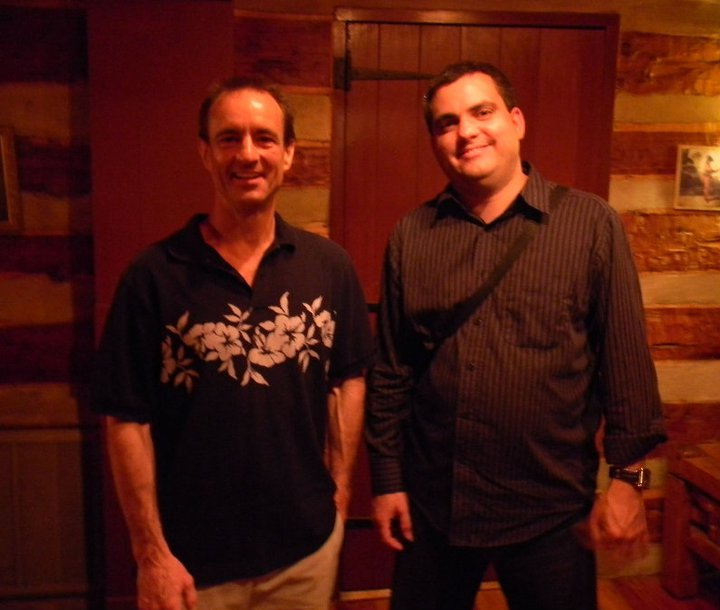
The Tennessee Guitar Festival was held June 1-4, 2011 at Middle Tennessee State University (MTSU) in Murfreesboro, TN. All rounds were free choice, and there was an three-round open division and a two-round youth division. Open Division Competition Winners First Prize: Edel Munoz Second Prize: Jeremy Collins Third Prize: Erol Ozsever Forth Prize: Joseph Palmer […]
Read MoreThe Brazilian Guitar Quartet Plays Villa-Lobos [CD Review]
Guitar CD Reviews
The Brazilian Guitar Quartet was formed in 1998. They’re an interesting ensemble that performs a variety of works, including a lot of transcriptions. When the Villa-Lobos CD landed on my desk, I didn’t think much of it. Another guitar CD of all Villa-Lobos? What’s the big deal? Suffice it to say this is not your […]
Read MoreCGS of Upstate New York Sponsors Fundraiser
Around the Web
Despite ongoing financial struggles, Koinonia Primary Care will continue to operate as the lone full-service health clinic in West Hill, the city’s poorest, most disenfranchised neighborhood. A Saturday night fundraising concert sponsored by the Classical Guitar Society of Upstate New York is yet one more effort to help keep the doors open. via timesunion.com
Read MoreROSL ARTS ARE DELIGHTED TO ANNOUNCE SCOTTISH GUITARIST SEAN SHIBE AS THE FIRST PRIZE WINNER AND GOLD MEDALLIST OF THE 59TH ROSL ANNUAL MUSIC COMPETITION via roslarts.co.uk Shibe won a total of about 15,000GBPs. Here’s the press release.
Read More2011 Louisville Guitar Competition Winners
Classical Guitar News
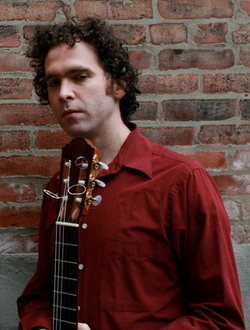
The Louisville Guitar Festival & Competition was held May 26-30, 2011. The competition was open to competitors of all ages, and had three rounds of free choice music. The winner received a $1,000USD prize and an invitation to perform at next year’s festival. In addition, this years winner was also invited to give two concerts […]
Read MoreThree Challenges for Every (Aspiring) Professional Guitarist
Music Business Tips
Tomorrow (May 27,2011) at 2pm I’m going to be speaking at the Louisville Guitar Festival. I’m going to cover business — what it means to market yourself online and what are some of the tools that anyone can use. At the end of my lecture, I’m going to issue these three challenges to the folks […]
Read MoreThe Dublin Guitar Quartet plays Philip Glass
Monday Motivation
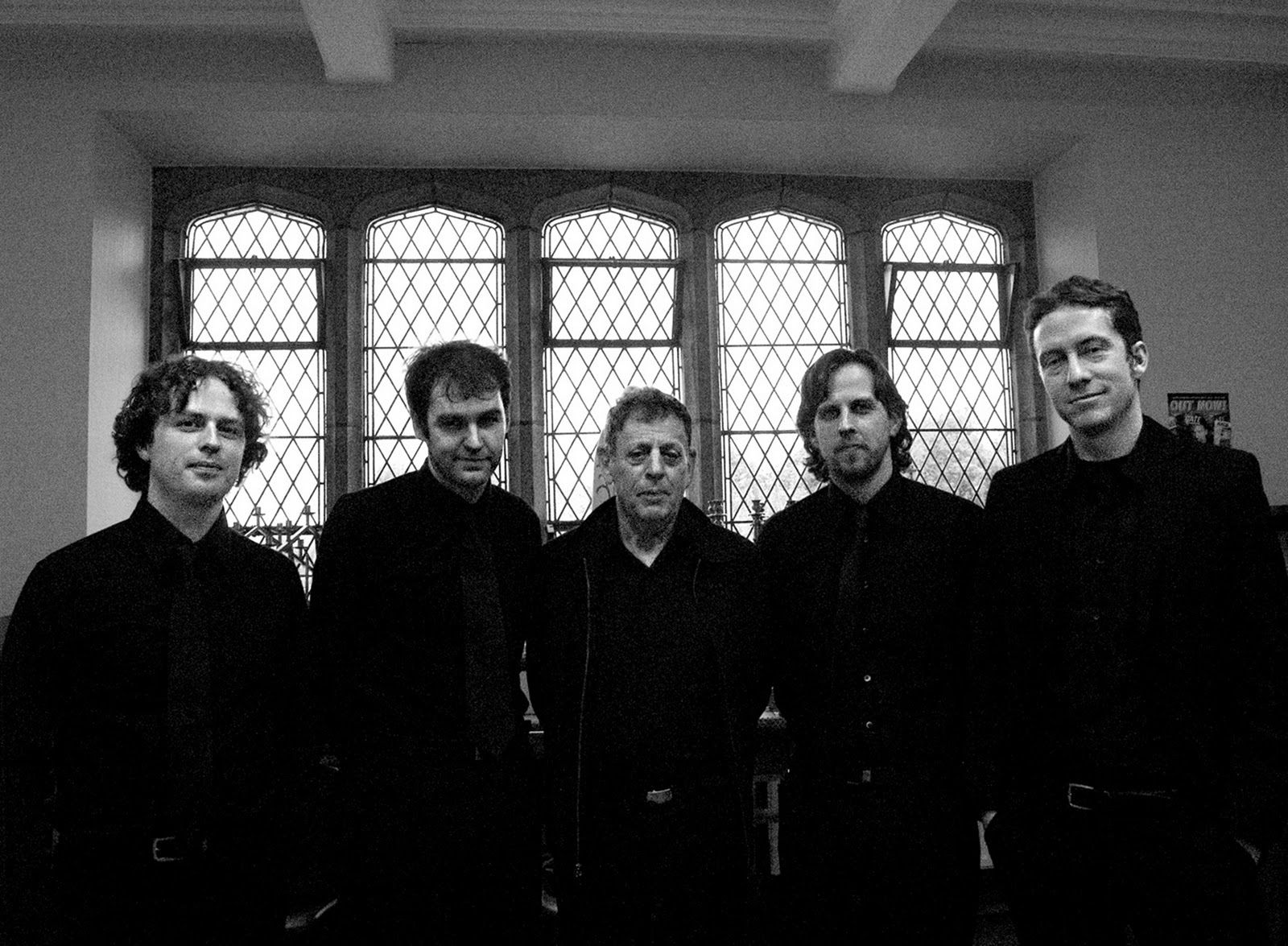
The Dublin Guitar Quartet is Brian Bolger, Pat Brunnock, David Creevy and Tomas O’Durcain. They specialize in contemporary music, and the Philip Glass arrangement in the video below even garnered some praise from the composer: This is a very special arrangement. Arranging for guitars is a very tricky business and you really have to know […]
Read MoreNew DVD from Douglas Niedt
Around the Web
Classical guitarist Douglas Niedt has released a new guitar instructional DVD that teaches the intermediate to advanced guitarist how to play “Take Five,” the Dave Brubeck jazz classic, measure by measure with professional-level execution. It is titled “Take Five for Guitar: Douglas Niedt’s Play It Like a Pro”. This is the first release in Douglas […]
Read MoreGuitarist Peter Fletcher Visits Some Elementary Students
Around the Web
Internationally renowned classical guitarist Peter Fletcher gave nine short performances at Seton Elementary on Monday, May 9, where he was quizzed by second graders in music teacher Todd Herbst-Ulmer’s room. Fletcher laughed with the students, answering some very seriously — he likes to play guitar for people who enjoy listening — and some not so […]
Read More