
2011 Sierra Nevada Guitar Competition Winners
Classical Guitar News
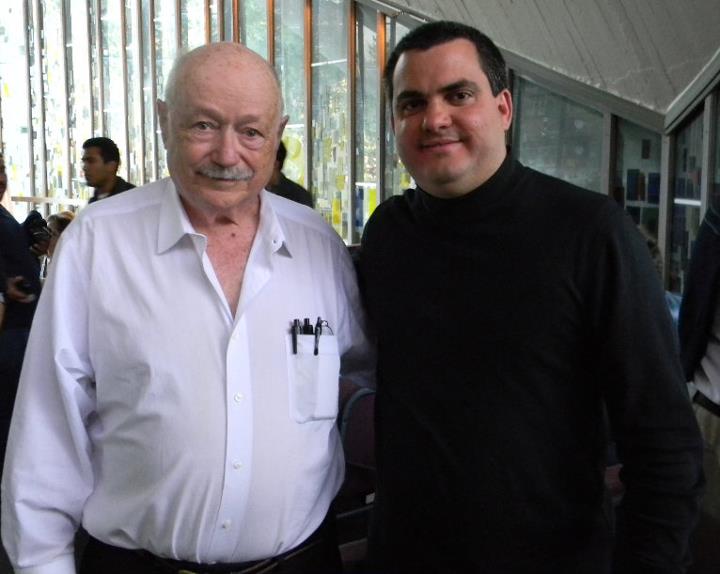
The Sierra Nevada Guitar Competition was held July 14-17, 2011 in Olympic Valley, California. Each of the three rounds of the competition was free choice with a slight variation: each subsequent round had to include a piece not played during the previous round(s). The grand prize was $1,000USD. The Winners First Prize: Edel Munoz Second […]
Read MoreAna Bragina plays Sergej Rudnev
Monday Motivation
Today we feature Ana Bragina performing Lipa vekovaia (Old lime tree). Rudnev is more of an arranger in this case: the piece is a variation set on on a Russian folk song. Matanya Ophee wrote a short article about this piece, including an old recording of it being sung. It’s worth it to have a […]
Read MoreThree Ways to Perfect Your Rhythm
Musical Interpretation and Musicianship
If you happen to follow Philip Hii’s Blog, a while back he wrote a series of articles on the importance of rhythm. Rhythm can make a piece sound alive. It can take an ordinary phrase and turn it into something magical and moving. But rhythm only has that power if you are its absolute master. […]
Read More2011 GFA Competition Winners
Classical Guitar News
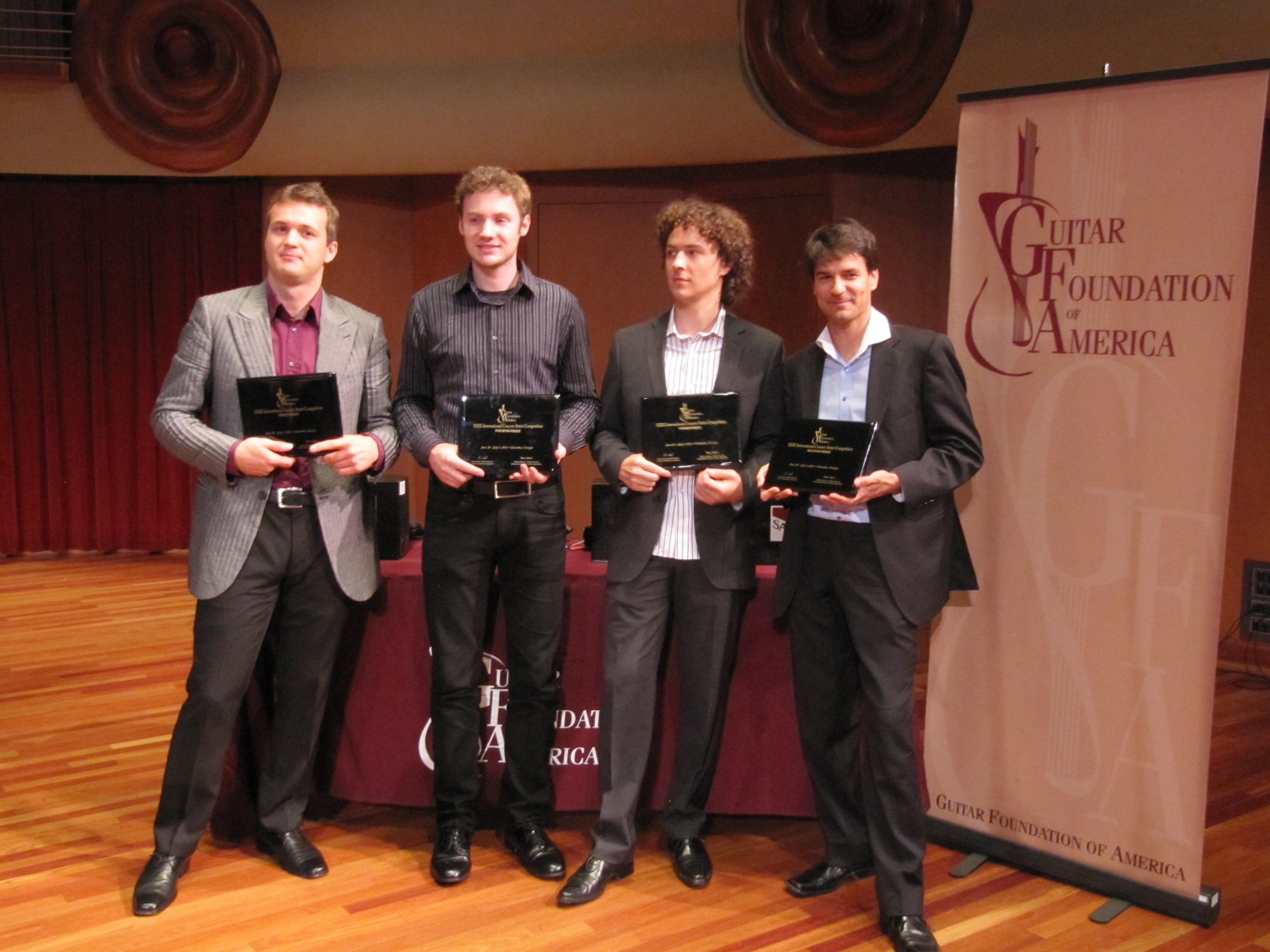
The Guitar Foundation of America convention, along with its International Artist Competition and youth competitions, just concluded yesterday (July 3, 2011). International Artist Competition Winners First Prize: Vladimir Gorbach (Russia) Second Prize: Andras Csaki (Hungary) Third Prize: Damien Lancelle (France) Fourth Place: Jeremy Collins (USA) Watch Winner Vladimir Gorbach Play Youth Competition Winners – Junior […]
Read MoreMilos Karadaglic Tiny Desk Concert on NPR
Classical Guitar Videos
Milos Karadaglic has been getting a lot of attention lately. He’s on the Deutsche Grammophon label, and has had articles about him in the economist, the UK’s Telegraph, and even Guitar World. If the embed above isn’t working, head over to NPR.org.
Read More2011 Classical Minds Competition Winners
Classical Guitar News
There were three competition divisions at the 2011 Classical Minds Guitar Festival: junior, high school, and undergrad. Junior Division Winners First Prize: Juliette Farmer (11 yrs old) Second Prize: Tiffany Chang (11 yrs old) Third Prize: Reyna Orozco (12 yrs old) Fourth Prize: Giancarlo Romo (13 yrs old) High School Division Winners First Prize: Kyle […]
Read More2011 Boston GuitarFest Competition Winners
Classical Guitar News
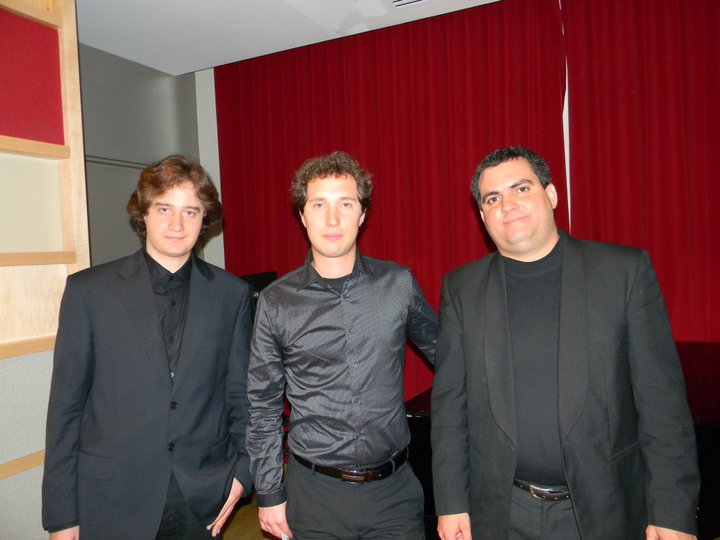
The Boston GuitarFest was held June 15-19, 2011. There were two competitions this year: a composition competition and an open division performance competition. Performance competitors had three rounds of mostly free choice repertoire with the exception of a required piece by an Italian composer (or something using an Italian theme). 2011 Performance Competition Winners First […]
Read MoreThe Art of Ignoring Everything
Classical Guitar Tips
Let me tell you a secret. Now this secret is extremely powerful. It may even be a little bit offensive. This secret is so good that you might not want to share it. So don’t click that “Like” button at the top of the post unless you’re absolutely sure your friends are ready for this. […]
Read MoreDaniel Murray plays Villa-Lobos
Monday Motivation
Today we feature Daniel Murray performing Villa-Lobos’ seventh etude. I really enjoy the rubato and color in Daniel playing.
Read More2011 Heinsberg Guitar Competition Winners
Classical Guitar News
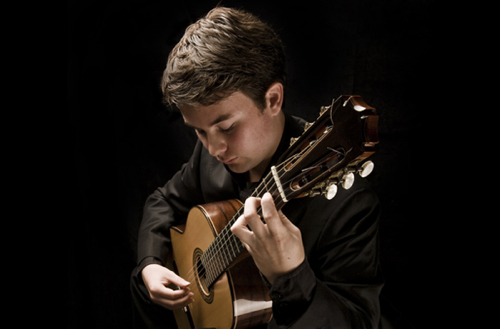
The Heinsberg Festival & Competition was held May 31 – June 4, 2011. The competition itself was one recording submission and three rounds of free choice music. Each round was 15, 20, and 35 minutes respectively, and competitors could not repeat pieces from round to round. The 2011 Heinsberg Winners First Prize: Ian Watt (Scotland) […]
Read More